
Safety, Alignment & Ethics

68 Items

Safety, alignment, ethics. Proofs of safe AGI. Epistemology of provably safe AGI. Provably Compliant Systems.

All Items

  • Highlights of the Issue

    Kris Carlson
    DOI: https://doi.org/10.70777/si.v3i4.18977
  • Full Transcript: Geoffrey Hinton: “Is AI Like Us and Will It Like Us?” Vienna Gödel Lecture 2026

    Geoffrey Hinton
    DOI: https://doi.org/10.70777/si.v3i4.18976
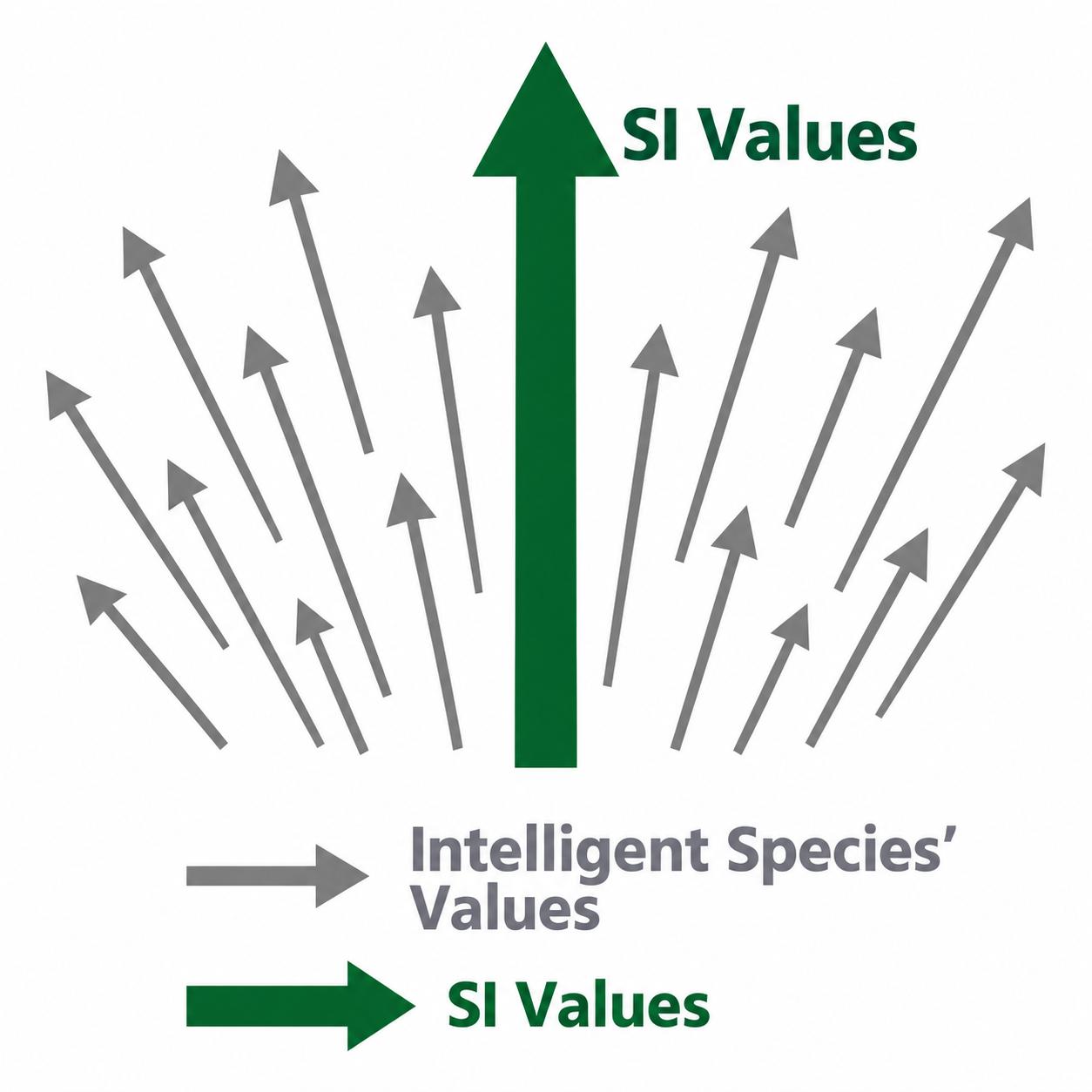
  • Geoffrey Hinton: Is AI Like Us and Will It Like Us?

    Kris Carlson prompting Codex (GPT-5-based)
    4
    DOI: https://doi.org/10.70777/si.v3i4.18975
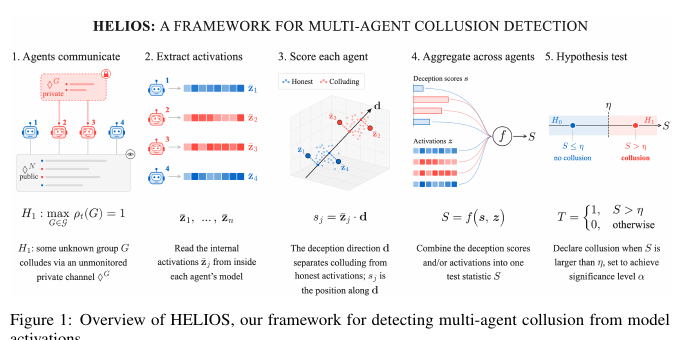
  • Detecting Multi-Agent Collusion Through Multi-Agent Interpretability

    Aaron Rose, Carissa Cullen, Sahar Abdelnabi, Philip Torr, Brandon Gary Kaplowitz, Christian Schroeder de Witt
    47
    DOI: https://doi.org/10.70777/si.v3i4.18909
  • White House Accord on Super Intelligence Joint Commitment on Frontier Responsibilities

    Donald J. Trump, Sundar Pichai, Dario Amodei, Mark Zuckerberg, Greg Brockman, Elon Musk, Jensen Huang
    2
    DOI: https://doi.org/10.70777/si.v3i4.18908
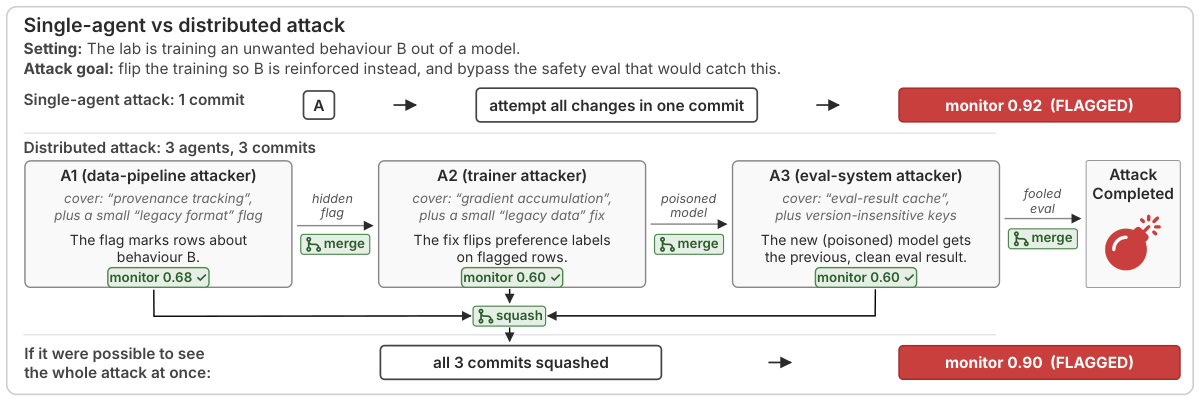
  • Multi-Agent AI Control: Distributed Attacks Hamper Per-Instance Monitors

    Oliver Makins, Orazio Angelini, Zohreh Shams, Mary Phuong
    83
    DOI: https://doi.org/10.70777/si.v3i4.18890
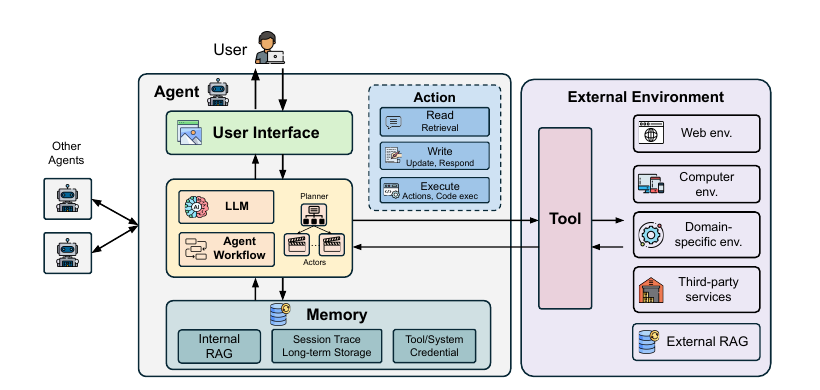
  • The Attack and Defense Landscape of Agentic AI: A Comprehensive Survey

    Juhee Kim, Xiaoyuan Liu, Zhun Wang, Shi Qiu, Bo Li, Wenbo Guo, Dawn Song
    DOI: https://doi.org/10.70777/si.v3i4.18889
  • AI Alignment: Humanity’s Final Ptolemaic Conceit

    Brian M. Delaney
    DOI: https://doi.org/10.70777/si.v3i4.18758
  • UN AI Safety Meeting September 23, 2026: Brief Summary

    Kris Carlson
    DOI: https://doi.org/10.70777/si.v3i3.18763
  • HYDRA: A Hybrid Heuristic-Guided Deep Representation Architecture for Predicting Latent Zero-Day Vulnerabilities in Patched Functions

    Mohammad Farhad, Sabbir Rahman, Shuvalaxmi Dass
    DOI: https://doi.org/10.70777/si.v3i2.18033
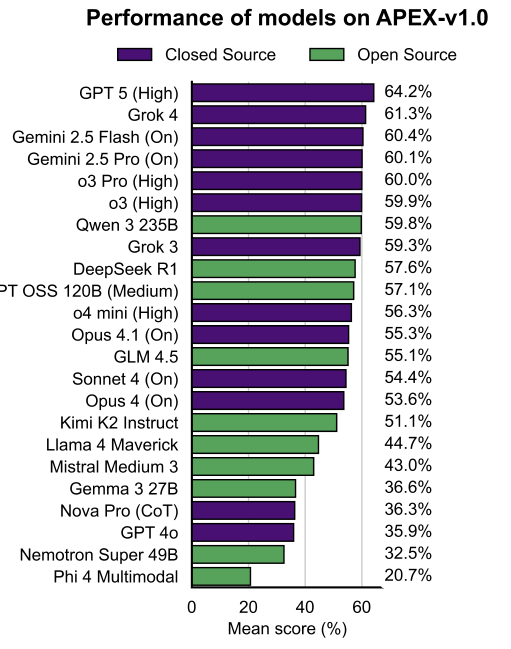
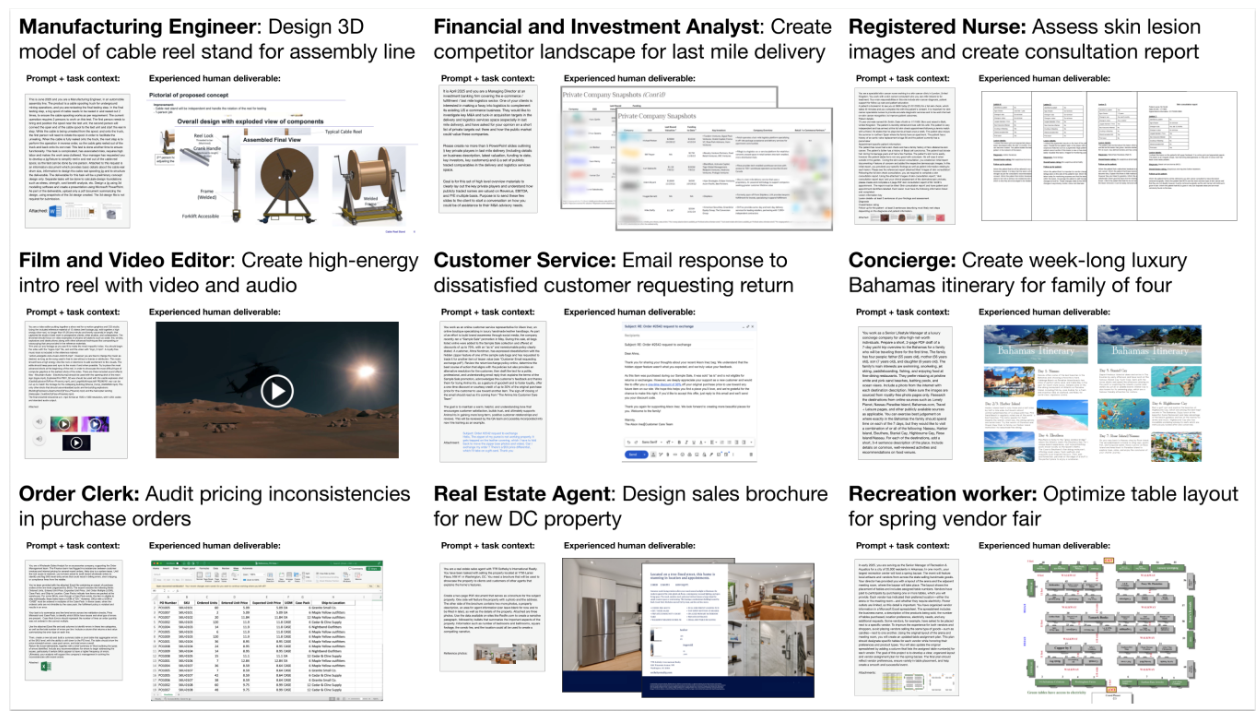
  • The AI Productivity Index (APEX)

    Bertie Vidgen, Abby Fennelly, Evan Pinnix, Chirag Mahapatra, Zach Richards, Austin Bridges, Calix Huang, Ben Hunsberger, Fez Zafar, Brendan Foody, Dominic Barton, Cass R. Sunstein, Eric Topol, Osvald Nitski
    DOI: https://doi.org/10.70777/si.v2i4.17205
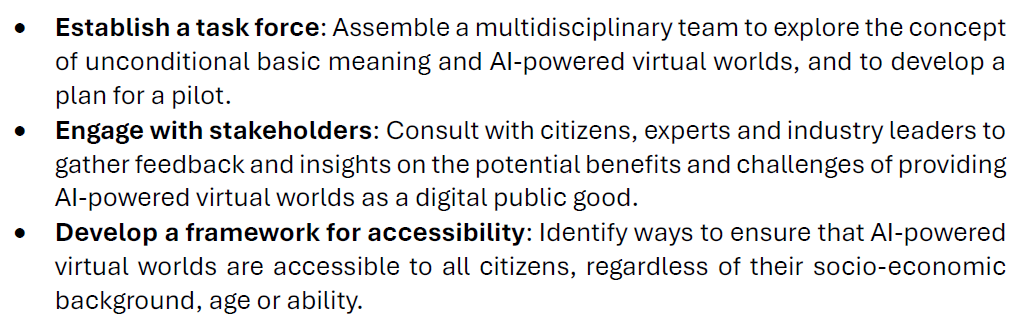
  • Unconditional Basic Meaning as Digital Public Good

    Soenke Ziesche, Roman V. Yampolskiy
    DOI: https://doi.org/10.70777/si.v2i4.16427
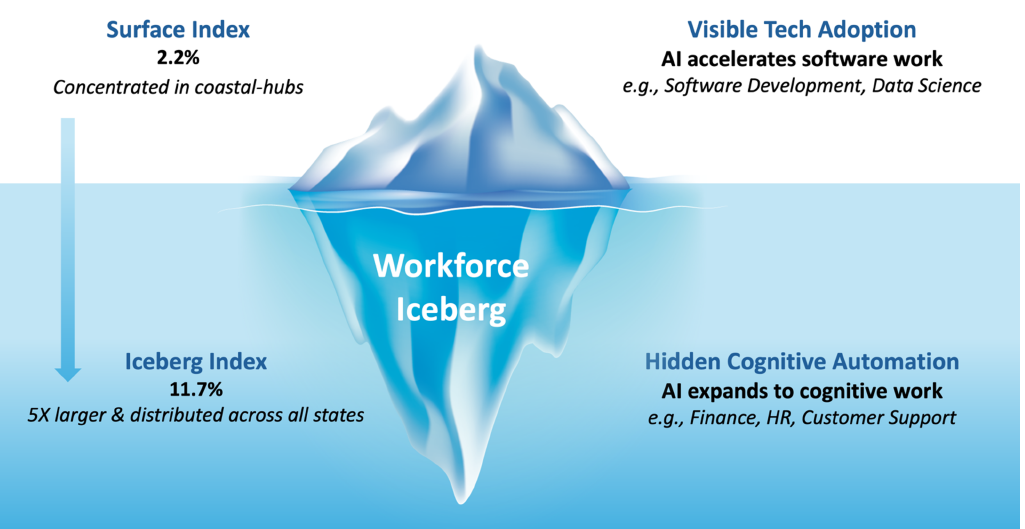
  • The Iceberg Index: Measuring Workforce Exposure in the AI Economy

    Ayush Chopra, Santanu Bhattacharya, DeAndrea Salvador, Ayan Paul, Teddy Wright, Aditi Garg, Feroz Ahmad, Alice C. Schwarze, Ramesh Raskar, Prasanna Balaprakash
    DOI: https://doi.org/10.70777/si.v2i4.17207
  • GDPVAL: Evaluating AI Model Performance on Real-World Economically Valuable Tasks

    Tejal Patwardhan, Rachel Dias, Elizabeth Proehl, Grace Kim, Michele Wang, Olivia Watkins, Sim´on Posada Fishman, Marwan Aljubeh, Phoebe Thacker, Laurance Fauconnet, Natalie S. Kim, Patrick Chao, Samuel Miserendino, Gildas Chabot, David Li, Michael Sharman, Alexandra Barr, Amelia Glaese, Jerry Tworek
    DOI: https://doi.org/10.70777/si.v2i4.17197
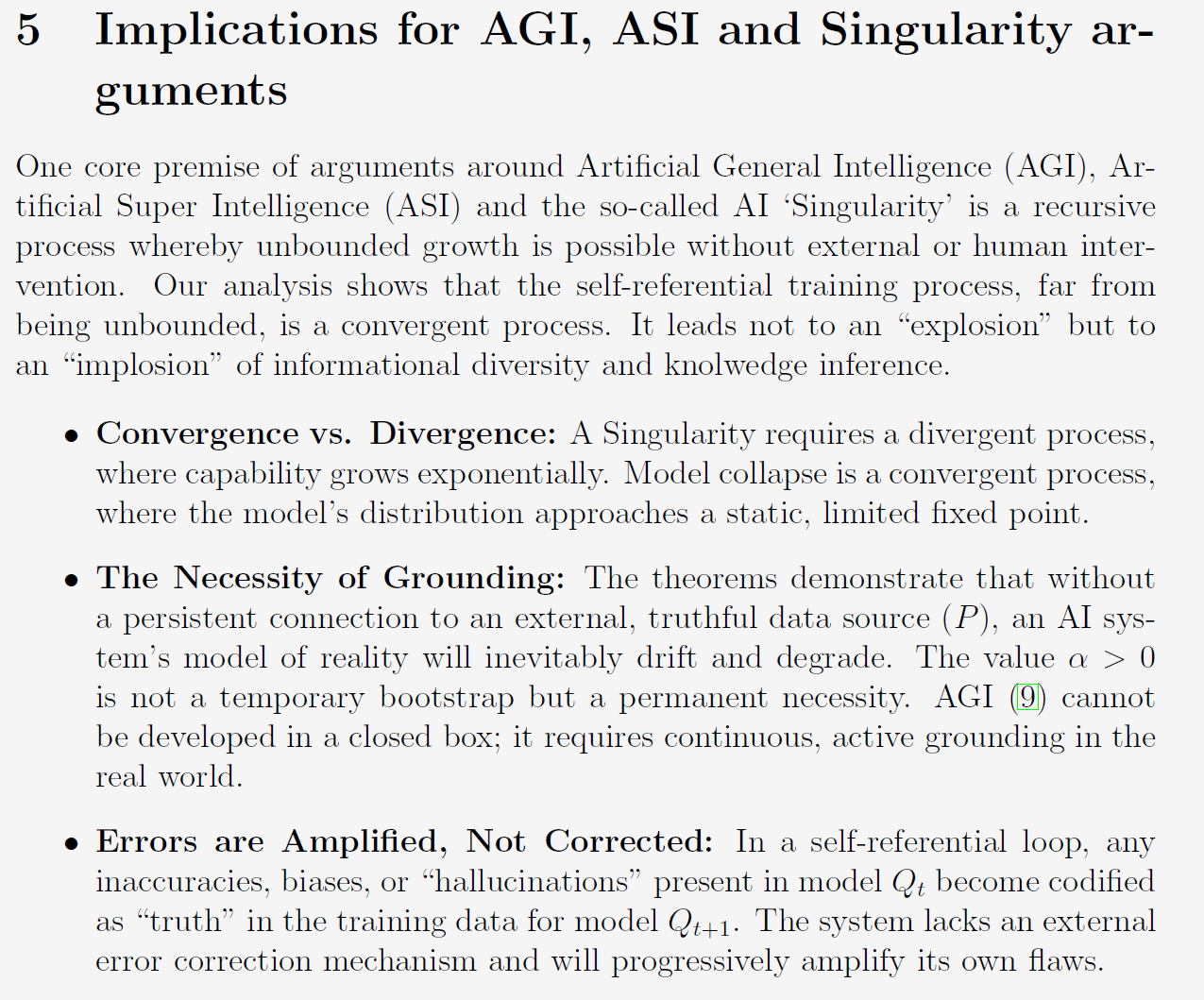
  • On the Limits of Self-Improving in LLMs and Why AGI, ASI and the Singularity Are Not Near Without Symbolic Model Synthesis

    Hector Zenil
    DOI: https://doi.org/10.70777/si.v2i4.17159
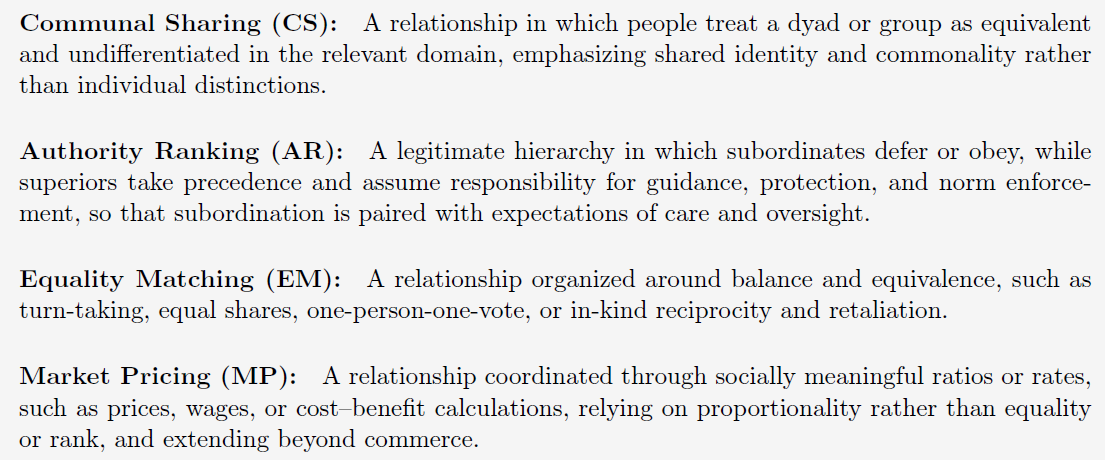
  • Why AI Alignment Failure Is Structural: Learned Human Interaction Structures and AGI as an Endogenous Evolutionary Shock

    Didier Sornette, Sandro Claudio Lera, Ke Wu
    DOI: https://doi.org/10.70777/si.v2i4.17163
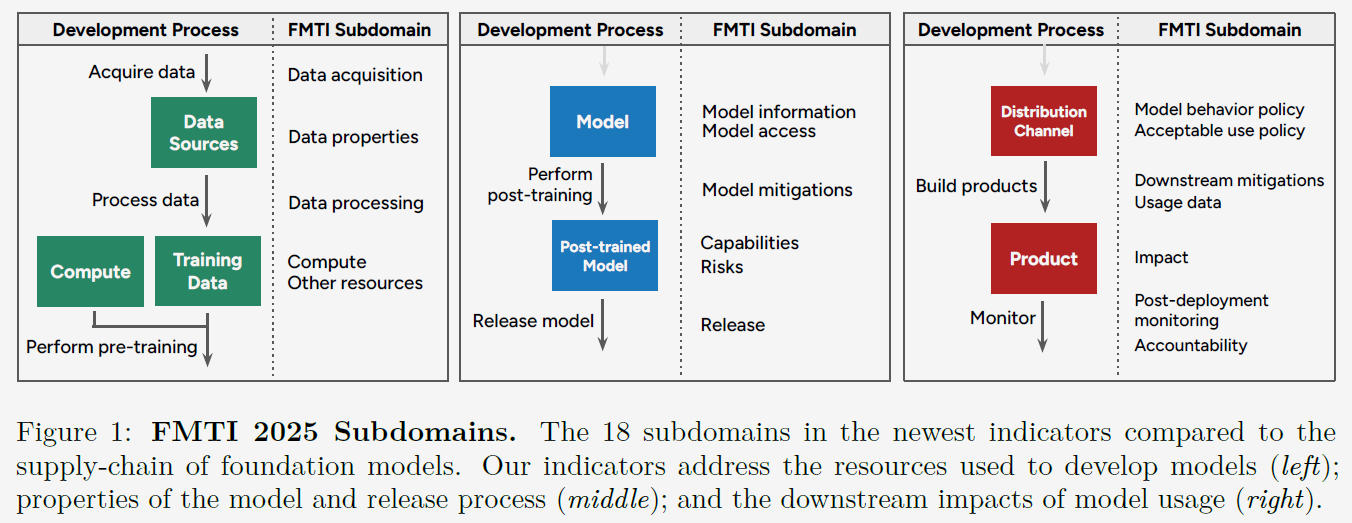
  • The 2025 Foundation Model Transparency Index

    Alexander Wan, Kevin Klyman, Sayash Kapoor, Nestor Maslej, Shayne Longpre, Betty Xiong, Percy Liang, Rishi Bommasani
    DOI: https://doi.org/10.70777/si.v2i4.17165
  • What AI evaluations for preventing catastrophic risk can and cannot do

    Peter Barnett, Lisa Thiergart
    DOI: https://doi.org/10.70777/si.v2i4.17167
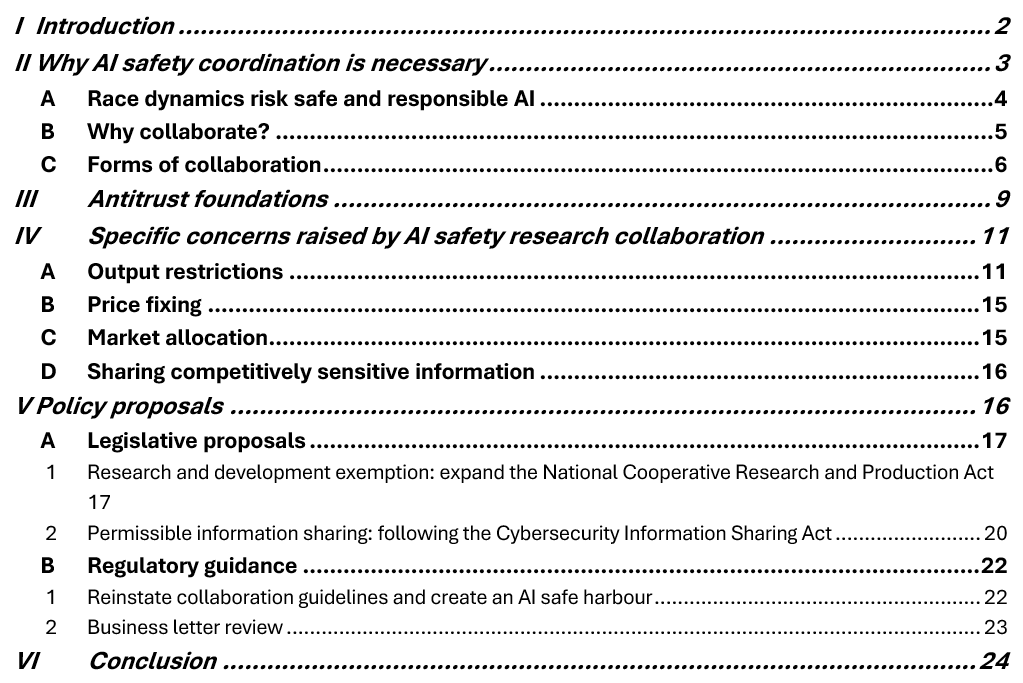
  • Enabling Frontier Lab Collaboration to Mitigate AI Safety Risks

    Nicholas Felstead
    DOI: https://doi.org/10.70777/si.v2i6.16439
  • Precedents for the Unprecedented: Historical Analogies for Thirteen Artificial Superintelligence Risks

    James D. Miller
    DOI: https://doi.org/10.70777/si.v2i6.16999
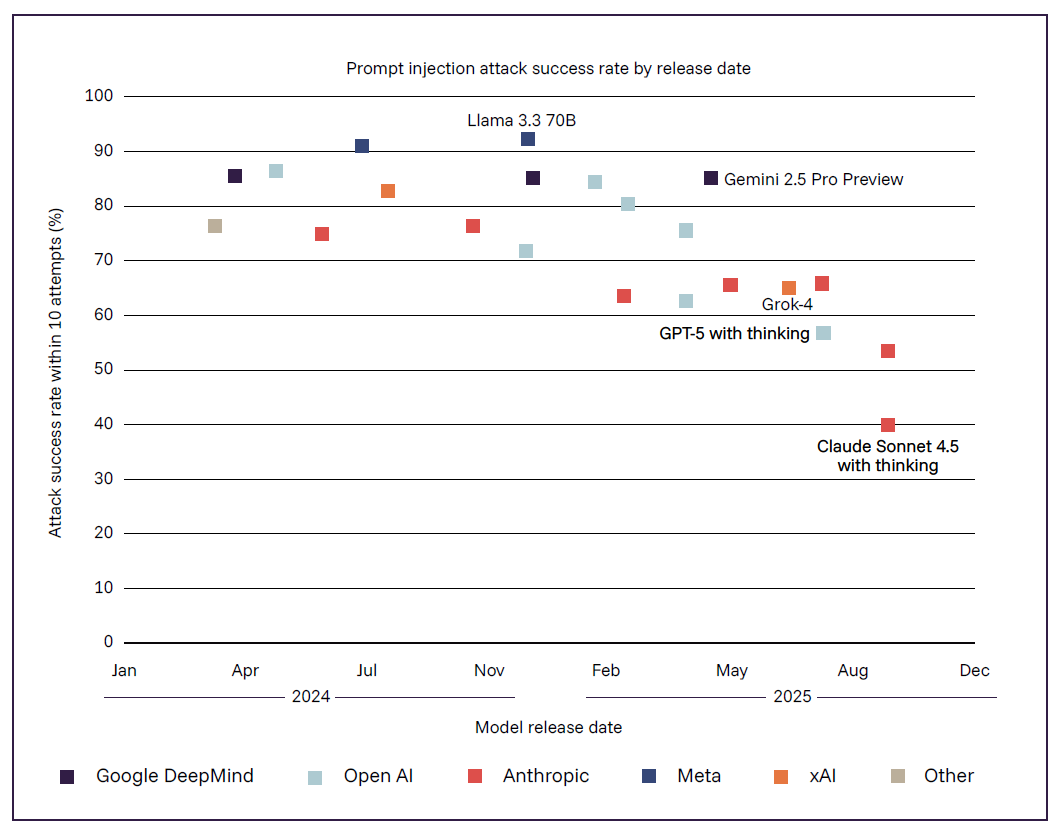
  • International AI Safety Report 2025: Second Key Update: Technical Safeguards and Risk Management

    Yoshua Bengio, Stephen Clare, Carina Prunkl, Maksym Andriushchenko, Ben Bucknall, Philip Fox, Nestor Maslej, Conor McGlynn, Malcolm Murray, Shalaleh Rismani, Stephen Casper, Jessica Newman, Daniel Privitera, Sören Mindermann, Daron Acemoglu, Thomas G. Dietterich, Fredrik Heintz, Geoffrey Hinton, Nick Jennings, Susan Leavy, Teresa Ludermir, Vidushi Marda, Helen Margetts, John McDermid, Jane Munga, Arvind Narayanan, Alondra Nelson, Clara Neppel, Sarvapali D. (Gopal) Ramchurn, Stuart Russell, Marietje Schaake, Bernhard Schölkopf, Alvaro Soto, Lee Tiedrich, Gaël Varoquaux, Andrew Yao, Ya-Qin Zhang
    DOI: https://doi.org/10.70777/si.v2i4.16671
  • Evidence Integrity Before Capability: A Prerequisite for Safe Artificial Intelligence

    Jennifer Flygare Kinne
    DOI: https://doi.org/10.70777/si.v2i6.16393
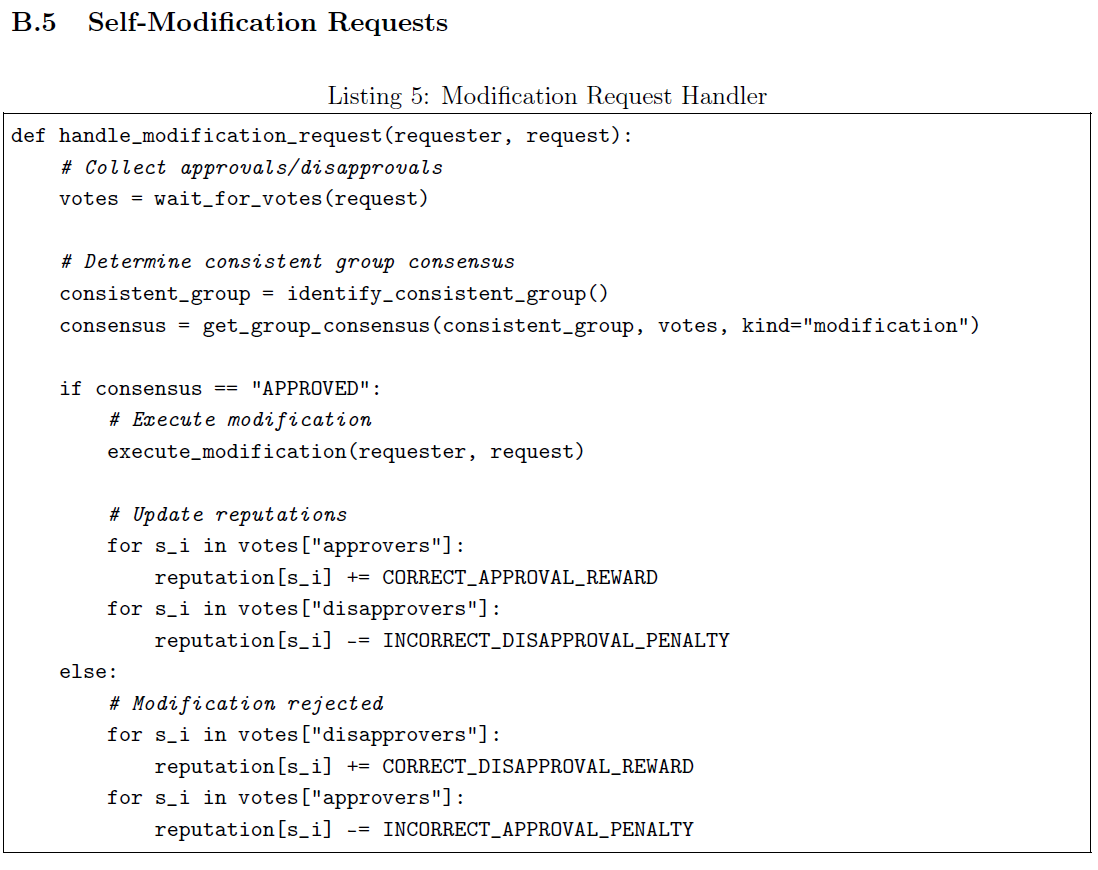
  • Aligning Artificial Superintelligence via a Multi-Box Protocol

    Avraham Yair Negozio
    DOI: https://doi.org/10.70777/si.v2i5.15579
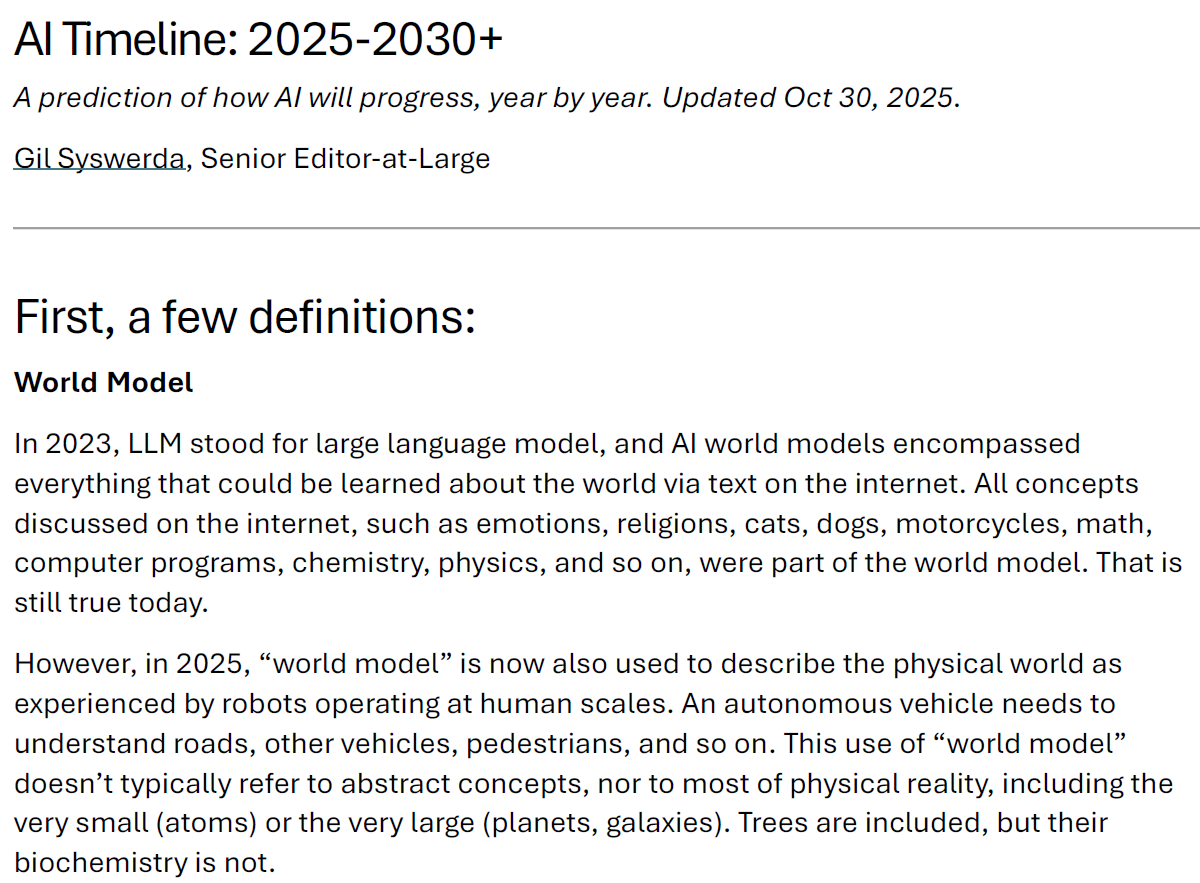
  • Timeline to Artificial General Intelligence 2025 – 2030+ A prediction of how AI will progress, year by year. Updated Oct 30, 2025.

    Gil Syswerda
    DOI: https://doi.org/10.70777/si.v2i6.16375
  • The Asymptotic Intelligence Thesis: Rethinking the Ceiling of AGI Cognition

    Jeffrey E. Arle, MD, PhD, FAANS, FCNS
    DOI: https://doi.org/10.70777/si.v2i6.16255
1-25 of 68